Gentle Strength
Why Strength Matters More as We Get Older
By Connie Grevengoed · September 14, 2026 · 7 min read
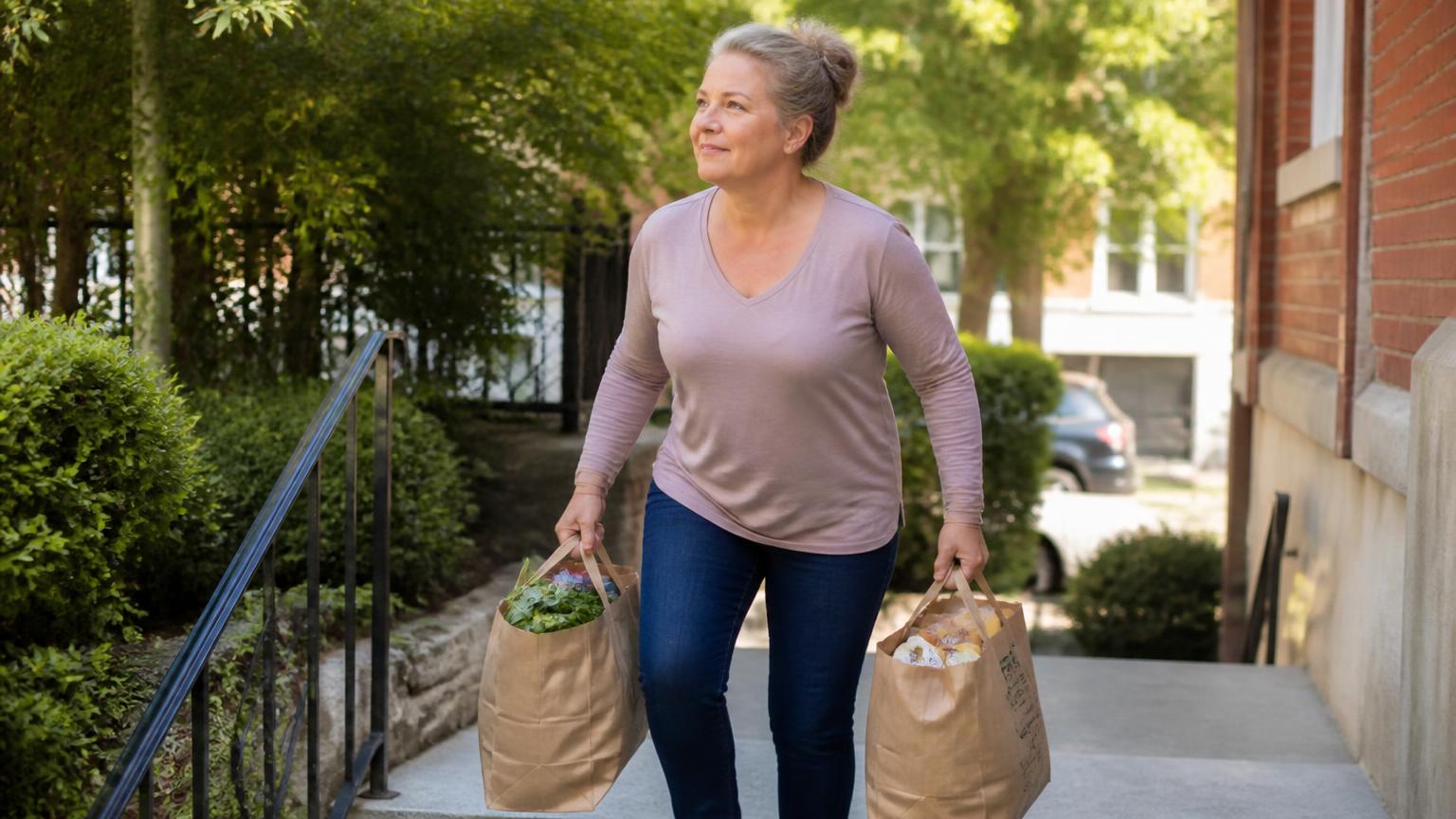
I used to train for how I looked. Now I train so I can carry the groceries, get off the floor, and still be useful at seventy.
I spent years in the fitness world. Personal trainer, aerobics instructor, and for a stretch, competitor. I knew how to shape a body and I knew how to push one.
Somewhere along the way my reason changed.
These days I'm not training for a stage or a photo. I'm training so I can carry two bags of groceries up the porch steps in one trip. So I can get down on the floor and get back up on my own. So that if someone at church needs a hand moving tables on a Saturday, I'm useful instead of standing there apologizing.
That's a smaller ambition, I suppose. It's also a better one.
Muscle is the thing we quietly lose
Here's the part most of us were never told. Starting somewhere in our thirties and picking up speed after fifty, we gradually lose muscle unless we do something about it. Bone density tends to head the same direction, particularly after menopause.
That sounds grim written out like that. It isn't, really, because the remedy is available to nearly everyone and it's not complicated. Muscle responds to being asked to work, at any age. Women in their seventies and eighties get stronger when they train. That's about as encouraging a fact as I know.
What you can't do is coast. Strength isn't something you build once at forty and keep forever. It's a rented house, and the rent is due every week.
Where strength actually shows up
Not in the mirror. In ordinary moments.
- Stairs. Without stopping halfway, without holding the rail like it owes you money.
- Groceries. Carrying them, lifting them to the counter, putting the heavy things on the high shelf.
- Getting off the floor. Picking up a grandchild, a dropped fork, a weed in the garden.
- Luggage. Overhead bins are a real strength test and nobody warns you.
- Travel. Long days, uneven ground, cobblestones, more walking than you planned.
- Grandchildren. They want to be held, chased, and swung around. It's a privilege to be able to.
- Serving. Setting up chairs, delivering meals, working a church kitchen, helping a neighbor move a bed.
- Balance and confidence. Strong legs and hips give you something to catch yourself with. They also change how you walk into a room.
Every one of those is strength doing its job. None of them have anything to do with a dress size.
What it doesn't have to be
Let me clear some things out of the way, because I think they stop a lot of women before they start.
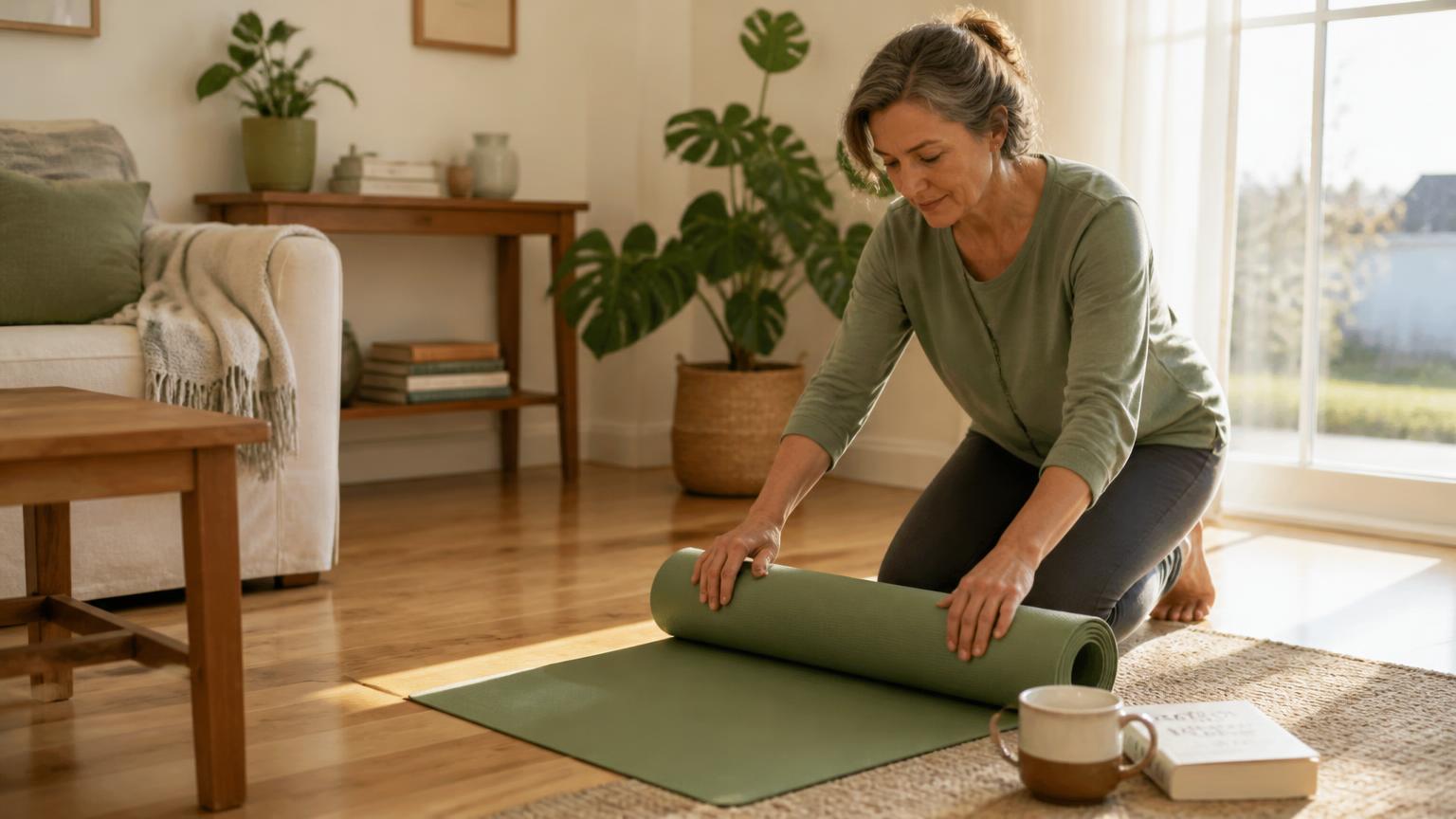
You don't need a gym membership. A pair of dumbbells, a couple of resistance bands, and a sturdy chair will take you a long way in your own living room.
You don't need an hour. Two or three sessions a week, twenty to thirty minutes, will do far more than you'd guess. Shorter sessions count too, and they count most when they're the ones you'll actually do.
You don't need to be sore. Soreness is a side effect, not a scorecard. I trained a lot of people over the years who thought pain was the point. It isn't.
And you don't need to prove anything, to your younger self or anyone else. I'm not chasing the body I had at thirty. I wouldn't want that life back. I'm building the body that gets me through the next thirty years.
How to actually start
If strength training is new to you, or it's been a long time, this is a reasonable shape for a week:
- Two sessions. Not consecutive days. Push, pull, squat or sit-to-stand, hinge, and something for your core. Five movements is a complete workout.
- Start lighter than you think. The first two weeks are for teaching your body the movements, not for testing it.
- Add a little. When eight reps feel manageable, add a rep or a couple of pounds. That gradual "a little more" is the whole engine of getting stronger.
- Give yourself a day off between. Muscle grows on the rest days.
- Keep walking. Strength and [walking](/walking) work together. Neither replaces the other.
If you want something laid out for you, the [workouts](/workouts) inside HolyFit45 are built exactly this way, with short sessions, joint-friendly options, and written instructions so you're never guessing. The [Healthy Aging](/healthy-aging) library covers the strength and bone side in more depth, and [Start Here](/start-here) walks you through a first week if you'd rather not decide anything yourself.
A word of caution, honestly meant
If you've had a joint replacement, a heart event, a back injury, osteoporosis, or you're managing anything ongoing, check with your doctor or a physical therapist before you begin. Ask them what to modify rather than whether to exercise at all. Most of the time the answer is yes, with adjustments.
And I won't promise you that strength training prevents falls, or fractures, or frailty. It doesn't guarantee anything. What it does is give your body more to work with, and I'd rather face the years ahead with more to work with than less.
The reason underneath it all
I keep coming back to this. Strength for its own sake gets old fast. Strength for something doesn't.
Paul wrote that our bodies aren't entirely our own business. I don't take that as pressure. I take it as dignity. This body was given to me, it's carried me sixty years, and taking care of it is a reasonable way to say thank you.
Besides, there's work still to do. There are people who need showing up for. Being able to lift, carry, kneel, climb, and stay on my feet is how I keep saying yes.
That's worth twenty minutes, twice a week.
HolyFit45 offers general wellness encouragement and is not medical advice. Please speak with your doctor about your personal health.