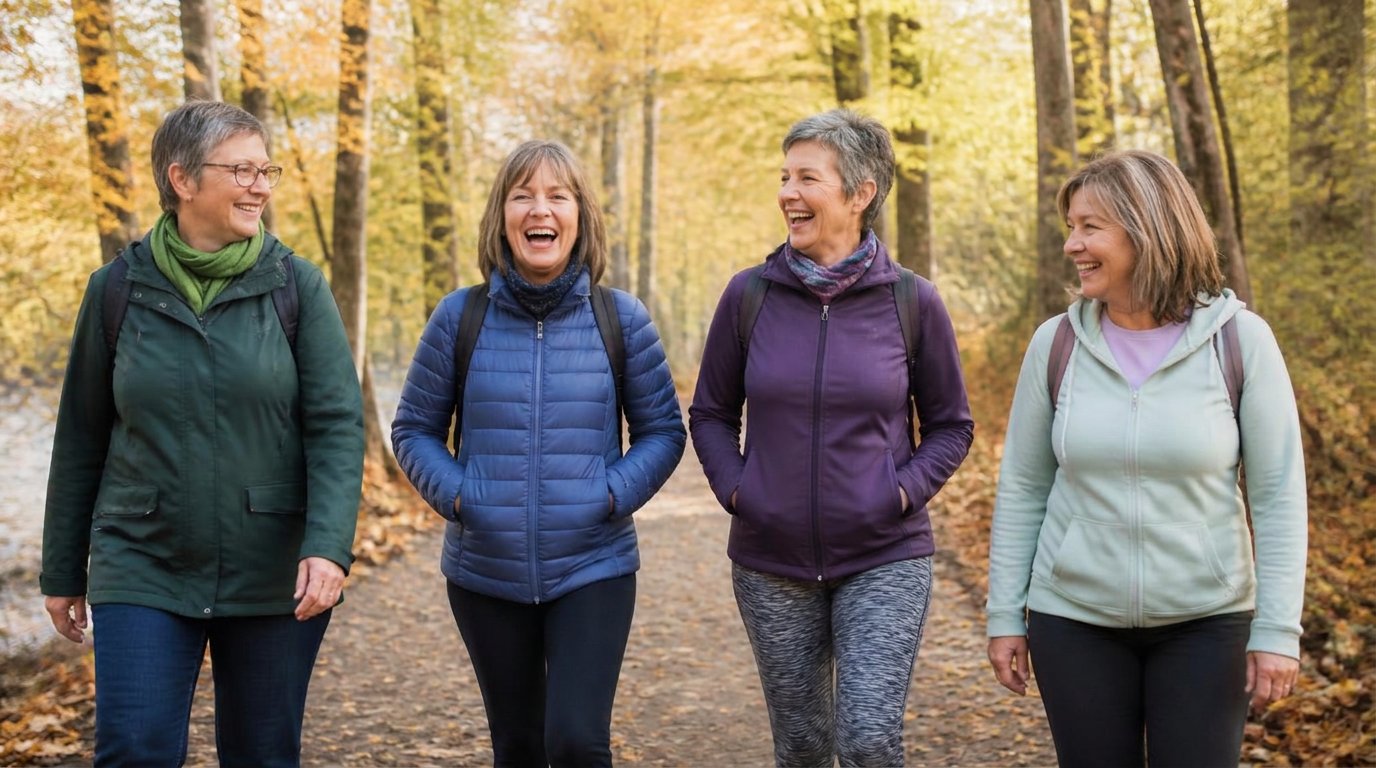
Healthy Aging
7 Ways to Keep Life From Getting Smaller After 45
By Connie Grevengoed · November 2, 2026 · 11 min read

Life after 45 can grow richer, not smaller. Here are seven practical ways to stay connected, curious, capable, purposeful and open to what God still has ahead.
There’s something that can happen slowly as we get older.
We stop doing a few things we used to enjoy.
We see friends a little less often.
We choose the familiar restaurant instead of trying the new one. We turn down the invitation because staying home sounds easier. We tell ourselves we’ll travel someday, learn that thing someday, volunteer someday or get back to that hobby when life settles down.
None of those choices seems important on its own.
But little by little, our world can start getting smaller.
And I don’t think life after 45 is supposed to be about quietly shrinking our lives.
Yes, this season can look different. Our responsibilities may be different. Our bodies may feel different. Family relationships change. Careers change. Energy changes. What matters to us may change too.
But different doesn’t have to mean less.
In fact, this can be a wonderful season to start asking a different question:
What do I want the years in front of me to be filled with?
Not what should I accomplish.
Not how young can I look.
Not how much weight can I lose.
But how do I want to live?
Quick Answer: How Can You Keep Life Full After 45?
Women can keep life from becoming smaller after 45 by intentionally staying connected to people, continuing to learn, caring for their physical ability, making room for enjoyable experiences, trying new things, serving others and remaining open to what God may still be calling them toward. The goal isn't to stay constantly busy. It's to stay engaged with life.
Healthy aging involves more than physical health. The CDC describes it as maintaining physical, mental and social health and well-being as we grow older. Staying socially connected, mentally engaged and involved in meaningful activities all have a place in that picture.
1. Keep Something on Your Calendar That You Look Forward To
A full life doesn't require a packed calendar.
There is an important difference.
Being busy can wear us out. Having something to anticipate can bring life into an ordinary week.
It might be lunch with a friend.
A Saturday morning farmers market.
A Bible study.
A day trip.
Dinner somewhere you've never tried.
A concert.
A walk with someone you enjoy.
A grandchild's ballgame.
A weekend away.
Or simply a standing Tuesday morning coffee date.
One of the easiest ways for life to get smaller is to let every week become a repetition of work, errands, chores and television.
So look at your calendar and ask:
Is there anything on here just because I enjoy it?
If the answer is no, add something.
It doesn't need to cost much money or take an entire day.
The National Institute on Aging recommends meaningful activities such as hobbies, volunteering and spending time with family and friends as ways to remain engaged as we age.
Give yourself something to look forward to.
Sometimes a fuller life starts with putting one good thing on next week's calendar.
2. Don't Let Every Friendship Depend on “We Should Get Together Sometime”
Friendship can become surprisingly difficult in midlife.
People move.
Children and grandchildren have schedules.
Parents need care.
Jobs are demanding.
Friends retire at different times. Some travel. Some move closer to family. Some relationships naturally change.
And suddenly someone you once saw every week is someone you haven't talked to in four months.
This isn't unusual. Women over 40 commonly talk about how much harder it can become to maintain friendships when everyone's responsibilities and schedules are full.
But connection matters.
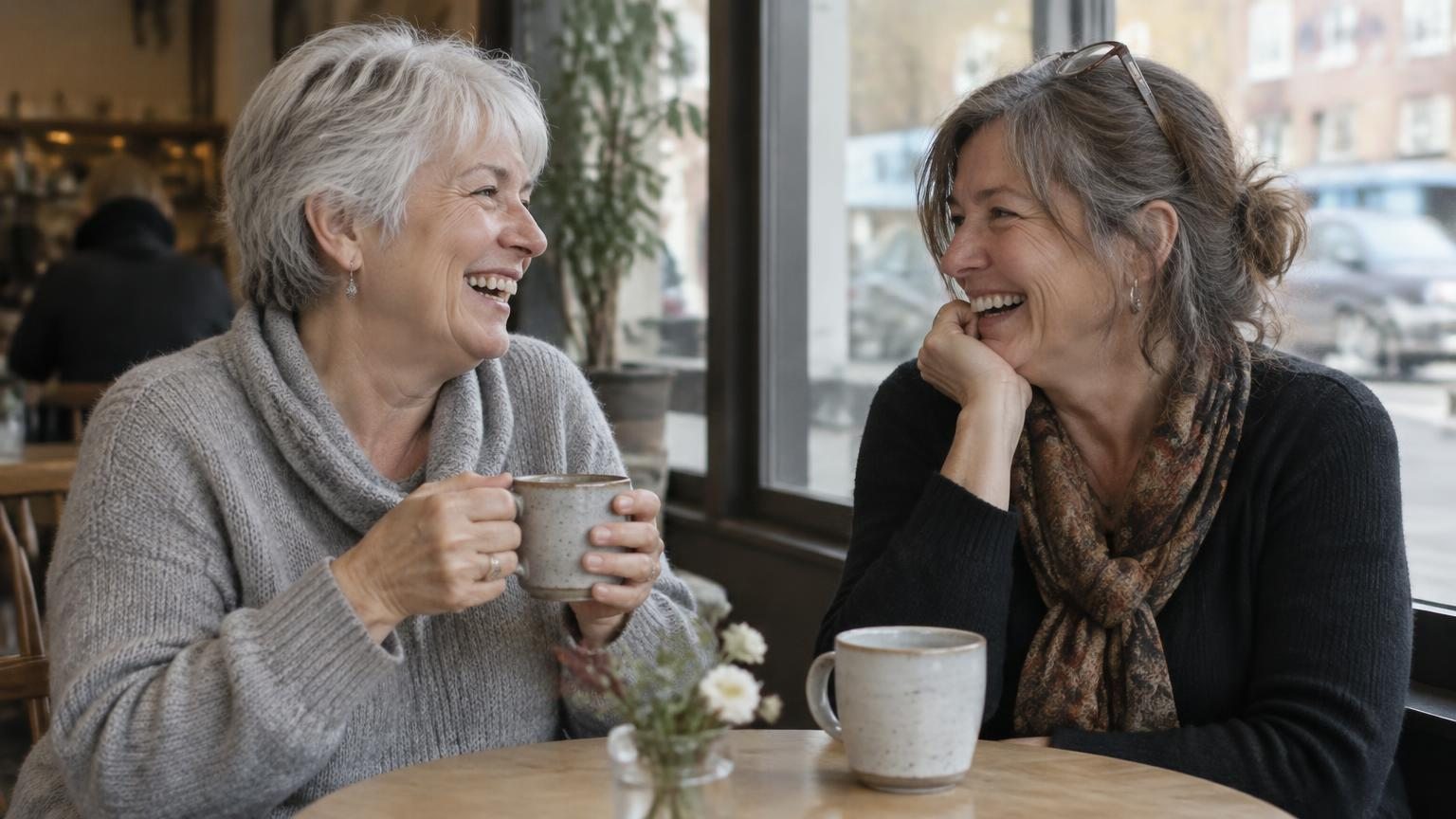
CDC guidance on social connectedness recommends regular interaction with family and friends, participating in activities with other people, visiting community spaces and trying group hobbies or faith-based activities.
So instead of saying:
“We really need to get together.”
Try:
“Are you free Thursday the 12th?”
Specific invitations build relationships.
Vague intentions usually don't.
You don't need twenty close friends. You do need people with whom you can laugh, talk honestly, share life and feel known.
And sometimes that means being the person who sends the text first.
3. Keep Learning Something You Aren't Already Good At
There is something refreshing about becoming a beginner again.
Learn pickleball.
Take a photography class.
Try watercolor.
Learn Spanish.
Grow tomatoes.
Take piano lessons.
Learn how to use a new piece of technology.
Join a Bible study on a book of Scripture you've never studied deeply.
Try quilting, woodworking, kayaking, baking bread, birdwatching or ballroom dancing.
You don't have to become impressive at it.
That's part of the point.
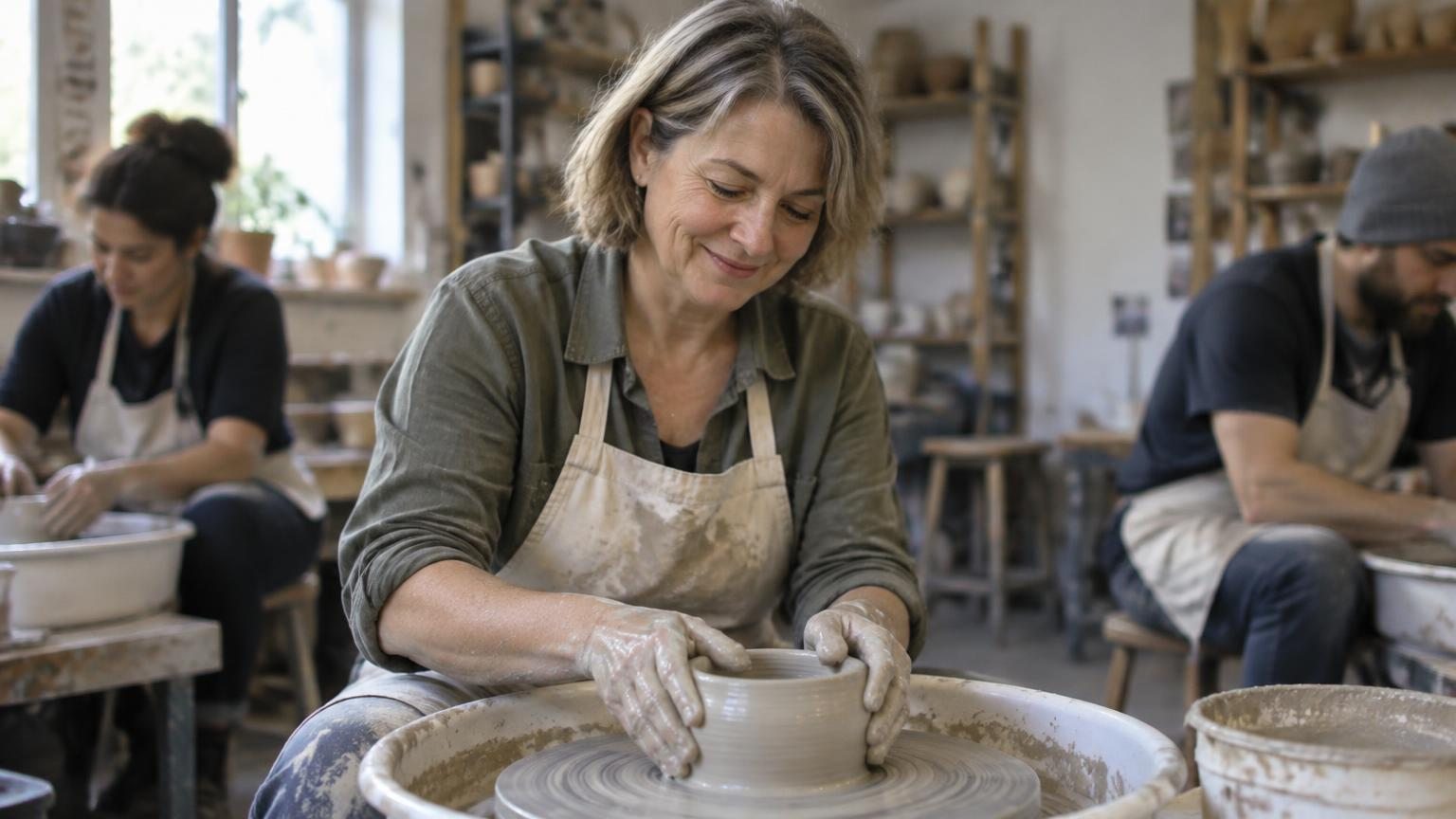
Women in midlife often mention discovering new interests such as pottery, gardening, woodworking, birding, sewing, kayaking, golf, book clubs, strength training and volunteering. What matters isn't one particular hobby. It's the willingness to discover something new.
The National Institute on Aging also suggests classes, creative activities, clubs, music and new forms of movement as ways to stay active and engaged.
At 25, we expect ourselves to still be discovering things.
Why should that stop at 45?
There are probably things you haven't tried yet that you would absolutely love.
You just don't know what they are yet.
4. Take Care of Your Body So It Can Take You Places
This is where health fits into the bigger HolyFit45 picture.
We aren't exercising so fitness can become our whole life.
We're taking care of ourselves so we can participate in our life.
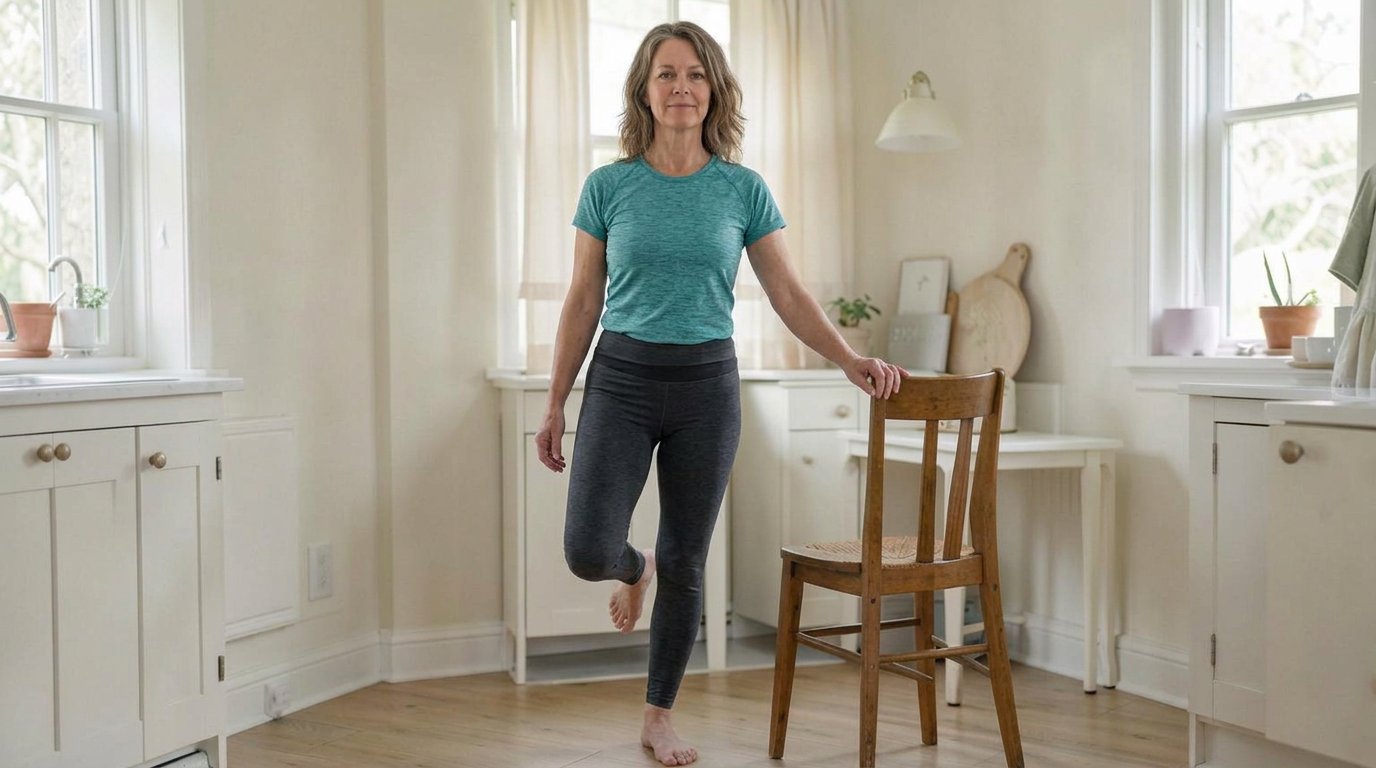
We want legs strong enough for the stairs.
Balance that lets us walk confidently.
Endurance for sightseeing on vacation.
Strength to carry groceries, work in the yard, help family, get up from the floor and keep participating in everyday life.
Healthy aging isn't about trying to look 25 again.
It's about protecting your ability to say yes.
Yes, I'll go on the walk.
Yes, I'll take the trip.
Yes, I'll play with the kids.
Yes, I'll help with the church project.
Yes, I'll spend the afternoon shopping with my daughter.
Yes, I'll go see that place I've always wanted to see.
Physical activity is one of the habits the CDC identifies as part of healthy aging, along with nutrition, sleep, mental stimulation and social well-being.
That gives exercise a much bigger purpose than changing how we look in the mirror.
Ask yourself:
What do I want my body to still be able to do five or ten years from now?
Then begin taking care of that ability today.
5. Stop Saving All the Good Things for “Someday”
We can become very responsible adults.
We save the good dishes.
We save the trip.
We save the dress.
We save the hobby.
We save the idea.
We save the restaurant.
We save our vacation days.
We save the dream.
Someday, when the schedule calms down.
Someday, when we have more money.
Someday, when the kids don't need us.
Someday, after retirement.
Someday, when we lose the weight.
Someday, when we feel more confident.
There will always be a reason to wait.
That doesn't mean spending money you don't have or neglecting responsibilities. Wisdom matters.
But there are also experiences we postpone simply because we've become accustomed to postponing ourselves.
Maybe you don't need a two-week European vacation.
Maybe you need a Saturday exploring a town an hour away.
Maybe you don't need a dramatic bucket list.
Maybe you need to finally take the pottery class.
Maybe you don't need to completely reinvent yourself.
Maybe you need to wear the outfit, invite the friend, book the weekend, plant the flowers or buy the ticket.
A fuller life is often built through ordinary experiences we finally stop putting off.
6. Find a Place Where You're Needed
One of the best ways to keep life from turning inward is to keep looking outward.

Who could you encourage?
Where could you help?
What do you know how to do that someone else could benefit from?
Your church may need volunteers.
A school may need mentors.
A food pantry may need another set of hands.
Someone in your neighborhood may need a meal.
A younger woman may need encouragement from someone who's already lived through the season she's entering.
A nonprofit may need the exact skill you've spent thirty years developing.
The National Institute on Aging includes volunteering and community involvement among meaningful activities that can contribute to purpose and connection.
Purpose doesn't always arrive as one enormous calling.
Sometimes purpose looks like showing up every Wednesday.
Sometimes it's driving someone to an appointment.
Sometimes it's teaching Sunday school.
Sometimes it's helping a granddaughter with homework.
Sometimes it's making a meal.
Sometimes it's using your professional experience to help a local organization.
Sometimes it's noticing someone everyone else overlooked.
We don't take care of ourselves only so we can keep doing things for ourselves.
At HolyFit45, part of aging well is staying able and willing to do good.
7. Stay Open to What God May Still Want to Do With Your Life
This may be the most important one.
We can begin to think of calling as something that belonged to an earlier season.
We ask young people:
What are you going to do with your life?
What do you think God is calling you to?
What dreams do you have?
What do you want to learn?
Where would you like to go?
But why should those questions have an expiration date?
Maybe God isn't finished asking you to grow.
Maybe there are people you haven't met yet.
Things you haven't learned yet.
Places you haven't visited.
Women you haven't encouraged.
Prayers you haven't prayed.
Gifts you haven't used.
Ways you haven't served.
And chapters you haven't lived.
That doesn't mean every woman needs to start a business, climb a mountain or make a dramatic life change.
For you, the next faithful step may look very ordinary.
Call someone.
Join something.
Learn something.
Walk somewhere.
Serve somewhere.
Invite someone over.
Open your Bible.
Ask God:
What would You have me do with this season of my life?
Then leave room for the answer to surprise you.
What Does “Living Fully” Actually Mean After 45?
Living fully after 45 doesn't mean keeping a frantic schedule or constantly chasing new experiences.
It means remaining engaged.
Connected.
Curious.
Useful.
Willing to learn.
Willing to enjoy.
Willing to serve.
And willing to believe there is still life in front of you worth participating in.
Healthy-aging guidance increasingly recognizes that relationships, meaningful activity, connection and purpose matter alongside physical health.
That fits something I've come to believe strongly:
We take care of ourselves so we can keep showing up for what matters.
Our health supports our life.
It isn't supposed to become our life.
Start With One Thing This Week
You don't need to change seven areas at once.
Choose one.
Send the text.
Sign up for the class.
Put the walk on your calendar.
Plan the day trip.
Call the friend.
Volunteer.
Try the recipe.
Visit somewhere you've never been.
Get outside.
Ask God what's next.
Then actually do it.
Because one of the quiet dangers of getting older isn't simply that life changes.
It's that we can slowly stop expecting anything new from it.
I don't want that for myself.
And I don't want it for you.
We're not trying to go backward.
We're not trying to become younger versions of ourselves.
We're learning how to live well here.
At this age.
In this body.
In this season.
With the wisdom we've gained, the people we love and whatever years God gives us next.
Age well. Live fully. Love God. Serve others.
And don't let your life get smaller just because you're getting older.
Questions Women Often Ask About Life After 45
Is it normal for life to feel different after 45?
Yes. Relationships, careers, family responsibilities, health, interests and daily routines can all shift during midlife. Different doesn't automatically mean worse. It can also create opportunities to reconsider what matters and intentionally build the next season of life.
How do I find new interests after 45?
Start with curiosity rather than commitment. Try a class, club, volunteer opportunity, outdoor activity or creative hobby without requiring yourself to make it a permanent part of your identity. Think of it as experimenting.
How can I make new friends after 45?
Repeated contact helps. Consider activities that put you around the same people regularly—church groups, volunteer organizations, classes, walking groups, hobby clubs or community activities. Don't be afraid to make a specific invitation rather than waiting for someone else to do it.
What if I don't know what my purpose is anymore?
Purpose doesn't have to mean one major mission. Begin by asking where your abilities, experiences and compassion could be useful right now. Helping one person, serving consistently, learning something new and staying engaged with your faith community can all be meaningful expressions of purpose.
Do I need a “bucket list” after 45?
No. A bucket list can be fun, but living fully doesn't require dramatic adventures. A monthly dinner with friends, learning to garden, volunteering, walking somewhere beautiful or trying a new class can make life richer too.
What's one thing I can do today?
Choose one activity you've been saying you'd like to do “sometime” and give it a date.
Someday becomes much more likely when it lands on the calendar.
Sources
HolyFit45 offers general wellness encouragement and is not medical advice. Please speak with your doctor about your personal health.